qubaadmin

Method of Learning Sabaq (New Portion) for Strong Hifz

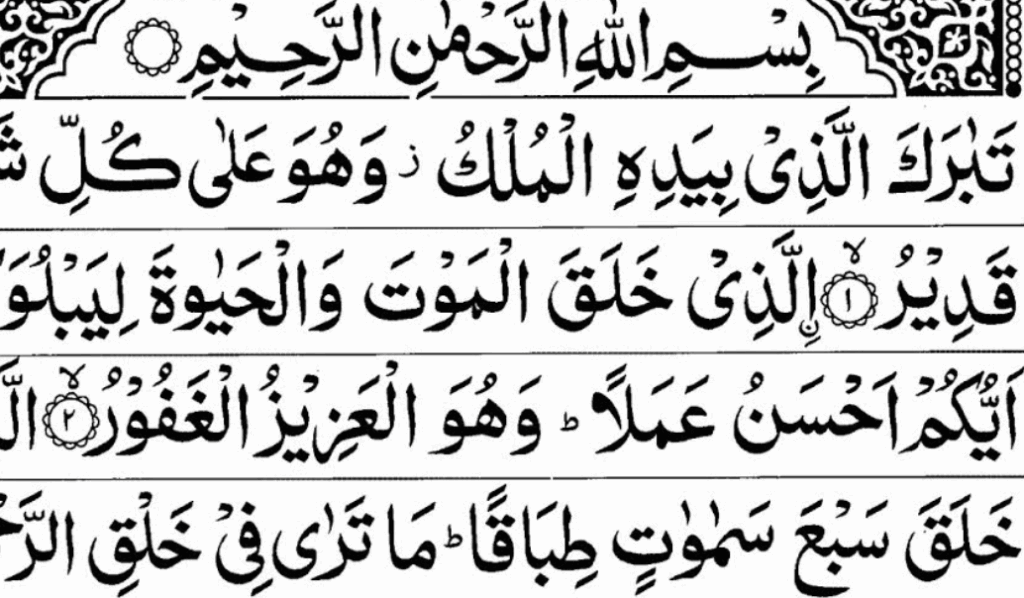
A structured and focused approach is essential for building a strong and lasting Hifz. The following step-by-step guide outlines an effective method to learn your new portion (sabaq) with clarity and confidence. Step-by-Step Guide 1. Night Before Preparation •Listen to your sabaq several times the night before. •Read along with the reciter your teacher has advised you to follow. This helps familiarise your mind and tongue with the correct pronunciation and flow. 2. Start Early •Begin learning from the night before. •Revise the same portion again in the morning for freshness and better retention. 3. Learning the First Ayah •Read the first ayah while looking inside the Mushaf 10–15 times. •Keep full concentration and avoid looking away. •If the ayah is long, divide it into smaller, manageable parts. 4. Reading Without Looking •Now recite the same ayah 10–15 times from memory, without looking. •If the ayah is lengthy, split it into sections and learn gradually. 5. Move to the Second Ayah •Repeat the same process with the second ayah, ensuring accuracy and fluency. 6. Connecting the Ayat •Recite the two ayat together while looking inside 10 times. •Then recite them from memory 10–15 times to reinforce the connection. 7. Completing the Sabaq •Continue this method until you can recite your entire sabaq smoothly and confidently from memory, without looking inside. Final Advice Consistency and focus are the keys to a strong and lasting Hifz. With regular practice and sincere effort, your memorisation will become firm, fluent, and filled with barakah.

Method of Learning Sabaq (New Portion) for Strong Hifz Read More »

Important Tips for Strong Dhor

Maintaining a strong connection with the Qur’an requires structure, consistency, and active engagement. The following tips will help you strengthen and preserve your Dhor effectively. ⸻ Practical Tips 1. Have a Weekly Schedule Plan your revision with a clear weekly timetable. Allocate specific Juz or sections for each day to ensure full coverage and balance throughout the week. ⸻ 2. Listen and Recite Along Make it a habit to listen daily to your designated Qari and recite along, whether you are travelling, walking, or on your way to school. Listening reinforces accuracy in pronunciation, rhythm, and fluency. ⸻ 3. Recite by Heart Once you have learnt a portion, try to recite it from memory rather than constantly relying on the Mushaf. This strengthens recall and confidence in your Hifz. ⸻ 4. Include Qur’an in Your Prayers Incorporate at least one full Juz each day into your Sunnah and Nawafil prayers. This ensures your Dhor remains active and your recitation stays strong in Salah. ⸻ Final Reminder Consistency is the key. The Qur’an remains with the one who remains with it.

Important Tips for Strong Dhor Read More »

Effective Method for Revising Dhor (Qur’an Revision)

A strong and structured approach to Qur’an revision helps maintain accuracy, fluency, and long-term retention. The following method is designed to make your Dhor more efficient and consistent. ⸻ Step-by-Step Method 1. Familiarise Yourself with the Juz Begin by scanning through the Juz and familiarising yourself with the pages. This prepares your mind and refreshes your visual memory of the text. ⸻ 2. Analyse the Structure Understand how the Juz is organised. Note how many pages are in each quarter and where specific verses or sections are located. ⸻ 3. Identify the Mutashabihat Pay attention to the similar verses and learn the subtle differences between them. This will help you avoid common mistakes and strengthen your precision. ⸻ 4. Review Past Mistakes Go over any previous errors and ensure they are completely eliminated. A clean recitation is built through constant correction. ⸻ 5. Revise Ruku by Ruku Recite one Ruku multiple times until it feels secure and confident. Do not rush the process; focus on accuracy and flow. ⸻ 6. Progress Gradually Once one Ruku is complete, move on to the next until you finish a quarter. ⸻ 7. Build Up Over Time Gradually increase your revision load — from quarters to a full Juz, and then to multiple Ajza — until you can comfortably revise five to ten Juz in one sitting. With discipline and consistency, this structured method will not only strengthen your memory but also deepen your connection with the Qur’an.

Effective Method for Revising Dhor (Qur’an Revision) Read More »

Hifz Tip: Mastering Mutashabihat

When memorising the Qur’an, it is extremely beneficial to note down the Mutashabihat – the similar or recurring verses – on the side of your page. All you need to do is write the Juz number beside each verse. ⸻ Why This Helps Writing the Juz number helps your brain associate the verse with its location, strengthening both memory and recall. Over time, your mind begins to build mental links between similar verses across the Qur’an. ⸻ Building the Skill At first, this method may seem challenging, but with consistent practice, your memory will naturally start recognising patterns and connections. ⸻ Adapt to Your Style Some students prefer noting the page number or brief reminders instead of Juz numbers. Choose what works best for you. The main goal is to actively engage your mind while memorising, rather than passively reciting. ⸻ The Result With time and repetition, you will find that memorising and distinguishing between similar verses becomes significantly easier and more natural.

Hifz Tip: Mastering Mutashabihat Read More »

Hifz Tip: The Power of Morning and Evening Qur’an Study

One of the best times to learn a new portion of the Qur’an is in the early hours of the morning. Your mind is fresh, your heart is calm, and your connection with Allah is strong. ⸻ Make it Your Routine Start your day before Fajr or after Fajr with the Book of Allah. It is not about how much you do, but how consistent you are. Start Small and Grow Steadily •Begin with 15–20 minutes each morning. •After a few weeks, increase to 30 minutes, then an hour, and eventually 1–2 hours if possible. •If you feel sleepy, stand up, walk around, and bring your focus back. Do not give up. ⸻ End Your Day with the Qur’an Before sleeping, review your sabaq. Even 15 minutes makes a huge difference. Build it up gradually, just as you do in the morning. ⸻ Pro Tip The night before, listen to your sabaq and read along. This connects your night to your morning revision. Your brain begins to anticipate it, forming a powerful and lasting routine. ⸻ Remember Starting and ending your day with the Qur’an means your life begins and ends with light. Stay consistent. Stay connected. Let the Qur’an become the rhythm of your day.

Hifz Tip: The Power of Morning and Evening Qur’an Study Read More »

Hifz Tip for Huffadh

If your Dhor (revision) is already strong, now is the time to maintain and strengthen it daily. Set a Target Aim to revise at least three Juz by heart every day. If Time is Tight Revise one Juz daily in Salah. •In each Salah, recite a quarter Juz. •Whatever remains, complete it in Isha. This routine will naturally encourage you to perform extra Nawafil and keep your recitation consistent. Suggested Routine •One Juz in the morning •One Juz before sleeping It may feel challenging at first, but with consistency it becomes easy and deeply rewarding. Track Your Progress Create a simple sheet with a yearly khatm target and note how many full, correct revisions you complete. Missed a Day? Catch up the next day and do not let anything stop you. Final Reminder Consistency always surpasses intensity. Every day of solid Dhor keeps the Qur’an alive in your heart.

Hifz Tip for Huffadh Read More »

Method for Completing the Full Qur’an in Two Rakaats

Completing the full Qur’an in two rakaats is one of the greatest acts of devotion a believer can aspire to. It requires focus, patience, and most importantly, love for the Book of Allah. Though it may sound daunting, this feat has been achieved by many of the righteous, both in early generations and in our own time. With correct preparation and reliance on Allah, it is entirely possible. ⸻ 1. Motivation Remind yourself that this is achievable and has been done before by many great scholars and worshippers of the past. Completing the entire Qur’an in two rakaats is actually easier to prepare for than a standard full Qur’an recitation, as preparation can take only three to four weeks. Your aim is to express your immense love for the Book of Allah by reciting it all in a single night, just as Uthman ibn Affan RA, Imam Abu Hanifa RA, Imam Shafii RA and many others did. Shaytan will try to discourage you by making it seem impossible. Ignore such thoughts and stay firm in your intention. ⸻ 2. Choosing the Right Time The best time for this noble act is between Isha and Fajr, as Allah says in the Qur’an, “Indeed, worship in the night is more impactful and suitable for recitation.” Surah Al Muzzammil Choose a time when you have sufficient hours to recite at a calm and steady pace without rushing. Reading too quickly can cause fatigue and loss of focus. Find a balanced rhythm that suits your ability. ⸻ 3. Tarteeb, Preparation Gradually increase the amount of Qur’an you recite within your Salah. Consistency and gradual progress are key. • Begin by reciting three Juzz in two rakaats daily, continue until you complete one full cycle of dhor, ten days. • Then move on to five Juzz daily in two rakaats, for six days. • Then seven and a half Juzz daily, for four days. • Then fifteen Juzz in two rakaats, for two days. • Optionally, complete twenty Juzz in two rakaats before the final attempt. • Finally, you will be ready to complete the full Qur’an in two rakaats. During each stage, ensure someone is present to listen to your recitation. Even if they do not join in the Salah, they can note down any mistakes or places where you hesitate. ⸻ 4. Perfecting Memorisation Each day during your preparation, open your Qur’an and review every place where you made a mistake or paused. The goal is not only to complete the recitation but to do so with exceptional accuracy and fluency. The fewer hesitations you have, the smoother your Salah will be. Remember, perfection in memorisation is the foundation of ease in long recitations. ⸻ 5. Physical Preparation Make sure your body is ready for long standing. • Wear light clothing to prevent overheating. • Ensure the floor is soft to minimise strain on your feet. • Go to the toilet before you begin to avoid interruptions. ⸻ 6. Energy and Nutrition Eat a wholesome meal before starting so that your stomach gradually adjusts during the long Salah without causing discomfort. Avoid heavy or oily foods that can make you feel tired or cause you to need more breaks. Opt for light, energising meals that sustain you through the night. ⸻ 7. The Sajdahs Use your sujood wisely. • Take your time in sujood to allow for short moments of rest. • However, avoid making them too long, as standing back up may become more difficult. • While reciting, work your way mentally towards each sajdah, viewing them as checkpoints to maintain motivation and focus. ⸻ 8. Tawakkul, Trust in Allah Undoubtedly, this is a monumental challenge. You are in Salah, bound by its discipline. No food, no movement, no speech. Your focus must remain firm, standing in one place and reciting for several hours. But do not see these as obstacles. Rather, see them as opportunities to honour the Qur’an. Which other book inspires such devotion and endurance? This is not an act of hardship, it is a privilege, a blessing, and a great honour from Allah to be among those who recite the entire Qur’an in Salah. Prepare as best as you can, then place your complete trust in Allah, for He, the Exalted, says, “And whoever places their trust in Allah, He is sufficient for them.” Surah At Talaq ⸻ Conclusion Completing the full Qur’an in two rakaats is an extraordinary act of love and dedication. It is not reserved for the elite, but for anyone who prepares sincerely, relies upon Allah, and fills their heart with passion for His words. May Allah grant us the strength, sincerity, and steadfastness to connect deeply with His Book and to be among those who honour it through both recitation and action. Ameen.

Method for Completing the Full Qur’an in Two Rakaats Read More »

Method for Reading the Qur’an in One Sitting

Reading the entire Qur’an in one sitting is a noble and remarkable goal. It requires passion, consistency, and a structured approach. The following method provides a step-by-step plan to help students of the Qur’an strengthen their memorisation, improve fluency, and build a lasting connection with the Book of Allah. ⸻ 1. Start with Quarters Begin by reading the Qur’an in quarter sections. Learn Ruku by Ruku. Also make sure to write down all Mutashabihat, similar verses, learn the names of each Surah, and memorise the page layout so that you can visualise the Ayat in your mind. ⸻ 2. Read the Entire Juzz After completing the quarters, read the full Juzz together in one sitting. This helps connect the verses fluently and strengthens your overall memorisation. ⸻ 3. Repeat for the Second Juzz Follow the same process for the second Juzz. However, do not move on to the third Juzz until you have read both the first and second Juzz together in one sitting. This reinforces accuracy and retention. ⸻ 4. Gradual Increase in Recitation Continue this method until you have completed five Juzz. Before attempting to read all five Juzz together, follow the gradual cycle below, • Read one Juzz daily for five days • Then two Juzz plus two Juzz plus one Juzz over three days • Then two and a half Juzz plus two and a half Juzz over two days • Then three Juzz plus two Juzz over two days • Finally, read the full five Juzz in one sitting and recite it to someone for correction ⸻ 5. This Becomes Your Revision Once you have completed five Juzz, this becomes your revision, known as dhor, and your new sabak, lesson, will begin from the sixth Juzz. ⸻ 6. Daily Revision Routine Each day, revise one or two Juzz from the first five Juzz. Daily revision helps to strengthen your memory and improve fluency over time. ⸻ 7. Maintain the Cycle For the next set of five Juzz, repeat the same process as before. Once completed, combine each set of five Juzz, reading ten Juzz in one sitting. Since you will already be familiar with the first five Juzz, you may not need to follow the full method again. Follow this cycle, • Two Juzz daily for five days • Two and a half Juzz daily for four days • Five Juzz daily for two days • Full ten Juzz in one day, ensuring it is read to someone for correction Now this new set of five Juzz becomes part of your dhor. Revise one or two Juzz from each set of five daily, meaning two or four Juzz of dhor every day. Continue this pattern to strengthen memorisation and fluency until you have completed all thirty Juzz. ⸻ 8. Method for Fifteen Juzz When you reach fifteen Juzz, break them down using the following schedule, • Two and a half Juzz daily for six days • Three Juzz daily for five days • Five Juzz daily for three days • Seven and a half Juzz daily for two days • Full fifteen Juzz in one day, ensuring it is read to someone for correction ⸻ 9. Method for Twenty Juzz Once you reach twenty Juzz, follow this schedule, • Two and a half Juzz daily for eight days • Five Juzz daily for four days • Ten Juzz daily for two days • Full twenty Juzz in one day When you reach twenty-five Juzz, reading all twenty-five in one sitting is not necessary. ⸻ 10. Final Stage, Thirty Juzz At the final stage of thirty Juzz, complete the recitation using the following method, • Three Juzz daily for ten days • Five Juzz daily for six days • Ten Juzz daily for three days • Fifteen Juzz daily for two days • Twenty Juzz plus ten Juzz over two days • Ten Juzz plus twenty Juzz over two days • Full thirty Juzz in one sitting ⸻ 11. Passion The most essential ingredient for achieving the honour of reading the entire Qur’an in one sitting is passion and love for the Book of Allah. Hifz should flow through your veins and bring peace to your heart. May Allah bless us with a strong and lasting connection to His Book, and grant us the ability to recite it with devotion, understanding, and sincerity. Ameen.

Method for Reading the Qur’an in One Sitting Read More »

The Path to Seeking Islamic Knowledge

Seeking Islamic knowledge is among the most virtuous and rewarding acts a Muslim can pursue. But the intention behind this pursuit must be pure, not for fame, credentials, or arguments, but to draw closer to Allah. The Prophet ﷺ said, “Whoever travels a path in search of knowledge, Allah will make easy for him a path to Paradise.” True knowledge begins by recognising how little we actually know, and that all knowledge belongs to Allah. This humility is the foundation of sincere learning. ⸻ 1. Sincerity in the Pursuit of Deen The goal in seeking knowledge must be to understand and practise the religion better, not to become a scholar in title. Imam Shafi once said, “Knowledge is not measured by how much is memorised, but by how much is acted upon.” Make dua frequently for sincerity. Ask Allah to purify your intentions and grant you knowledge that benefits. ⸻ 2. Humbling Yourself Before Allah A student of knowledge constantly reminds themselves, “I do not know.” Arrogance is a barrier, humility opens doors. True scholars tremble at the responsibility of knowledge, they are not boastful. The jug must be lowered before it can pour its water. ⸻ 3. Build a Base with a Local Scholar Before diving into complex debates or online content, seek someone grounded in knowledge, someone whose life reflects what they teach. Sitting with a scholar brings more than information, it teaches adab, perspective, and wisdom. Even if they only teach basic books, this foundation is crucial. It is not about speed, it is about stability. ⸻ 4. Study Approved Books Not all Islamic books are equal. Begin with texts that scholars of Ahl al Sunnah recommend, books that are balanced, clear, and time tested. Some classical beginner books include, * Al Arbaeen An Nawawiyya, Forty Hadith of Imam Nawawi * Riyadh as Saliheen * Basic fiqh books based on your madhhab * Tafsir al Jalalayn or beginner Quran tafsir Ask your teacher which books to begin with, do not self navigate. ⸻ 5. Do Not Be Afraid to Travel for Knowledge Knowledge is not always in your backyard. Sometimes you have to explore different classes, cities, or even countries. Each place gives you new angles and understandings. Test different waters, every drop can shape your depth. The companions and scholars of the past would travel weeks just to hear one hadith. Let that inspire you to break out of your comfort zone. ⸻ 6. Teach What You Learn Teaching is not about being a master, it is about passing on what you know with humility. The Prophet ﷺ said, “Convey from me, even if it is one verse.” When you teach, you strengthen your own understanding. Start small, help a friend, guide children, share simple reminders. The goal is not to impress, but to benefit yourself first and those around you also. ⸻ Conclusion The path of seeking knowledge is a lifelong journey that refines the soul before the mind. It begins with sincerity, grows through humility, and flourishes through service. When knowledge is sought for Allah, it becomes light, guidance, and a means to draw nearer to Him both in this life and the next.

The Path to Seeking Islamic Knowledge Read More »

The Divine Preservation of the Quran

The Quran is not merely a sacred text to Muslims, it is the literal word of God, revealed to the Prophet Muhammad ﷺ over a period of twenty three years. What makes the Quran truly unique is the unparalleled manner in which it has been preserved. From its earliest revelation to the present day, it has remained completely unchanged, uncorrupted, and fully intact, both in written form and in the hearts of millions. The Quran itself declares this divine promise of preservation, “Indeed, We have sent down the Quran, and surely We will guard it” Surah Al Hijr This divine assurance has stood firm for over fourteen centuries, unmatched by any other scripture in human history. ⸻ 1. Preservation Through Memorisation Hifz One of the most remarkable aspects of the Quran is the living tradition of its memorisation. Millions of Muslims, children and adults alike, have memorised the entire Quran word for word exactly as it was revealed. This practice began with the Prophet Muhammad ﷺ himself, who memorised and recited each revelation as it was revealed, reviewing it with the Archangel Jibril every Ramadan. His Companions Sahabah likewise memorised the Quran and regularly reviewed it with him. This unbroken chain of oral transmission continues to this day. Across centuries and continents, Muslims have preserved the Quran through collective memory, forming a continuous living link back to the Prophet ﷺ. It is an unparalleled phenomenon. If every written copy of every book on earth were to vanish, the Quran alone could be restored word for word within hours through the recitations of those who have memorised it. ⸻ 2. Preservation in Writing During the Prophet’s lifetime, appointed scribes recorded each verse immediately after revelation, writing on materials such as parchment, leather, bones, and palm leaves. After the Prophet’s passing, the first Caliph Abu Bakr RA commissioned the compilation of these written fragments into a single manuscript. During the caliphate of Uthman ibn Affan RA, official standard copies were prepared and distributed to the main Islamic centres of the time to ensure complete uniformity in writing and recitation. This standardisation followed the Rasm al Khatt, the original orthography used during the Prophet’s lifetime, which preserved specific spellings as they were revealed. Outcome: Every authentic Quran copy in the world today, whether printed in Indonesia, Egypt, Nigeria, or the United Kingdom, is identical, word for word and letter for letter in Arabic. ⸻ 3. No Contradictions or Revisions Unlike other scriptures that have been edited, revised, or lost in parts over history, the Quran has remained unchanged since its revelation. Not a single verse or letter has been added or removed. Every printed Quran today is verified against the Uthmanic script and authenticated recitations Qiraat transmitted through rigorously preserved chains. The Quran exists exactly as it was revealed, pure, precise, and perfect. ⸻ 4. Scientific Verification of Manuscripts Ancient Quranic manuscripts discovered in places such as Sanaa Yemen, Topkapi Turkey, and Birmingham United Kingdom have been carbon dated back to the seventh century, within a few decades of the Prophet’s life. These manuscripts match exactly with the Quran we have today, confirming that the text has remained unchanged through time. ⸻ 5. Global Unity in Recitation The Quran is recited in a uniform manner by Muslims all over the world. While minor variations exist in Qiraat recitation modes, all of them are authentic and preserved within the framework of Islamic tradition. This consistency ensures that pronunciation, articulation, and delivery of the Quran remain true to the original revelation. ⸻ 6. A Living Miracle The preservation of the Quran is not passive, it is actively maintained every day. Through daily prayers in which Muslims recite its verses, through madaris where students dedicate years to memorising it, and through modern technology such as apps, recordings, and online lessons, the Quran continues to be taught, recited, and preserved across the globe. Conclusion The Quran stands as a living miracle, perfectly preserved for over fourteen hundred years in both memory and manuscript. Its divine protection is evident not only in its words but in the countless hearts that carry it. This preservation is a testament to the truth of Allah’s promise and a reminder that His word will endure until the end of time.

The Divine Preservation of the Quran Read More »